Return of the Grosbeak

The first sightings of Rose-breasted grosbeaks are less than a week away! Adult male RBG’s are very easily identified with their black and white plumage and big red V on the chest which really stands out against the stark white underside. The head is hooded with black and the wings are black with two white patches, one at the shoulder and one closer to the wing tip. Female RBG’s are primarily brown and white, with a pale yellowish breast and belly and a prominent white eyebrow. They have been described as looking like a House finch on steroids. The beak is large enabling this bird to crack open all kinds of seeds and capture insects which are a significant part of their diet during the breeding season.
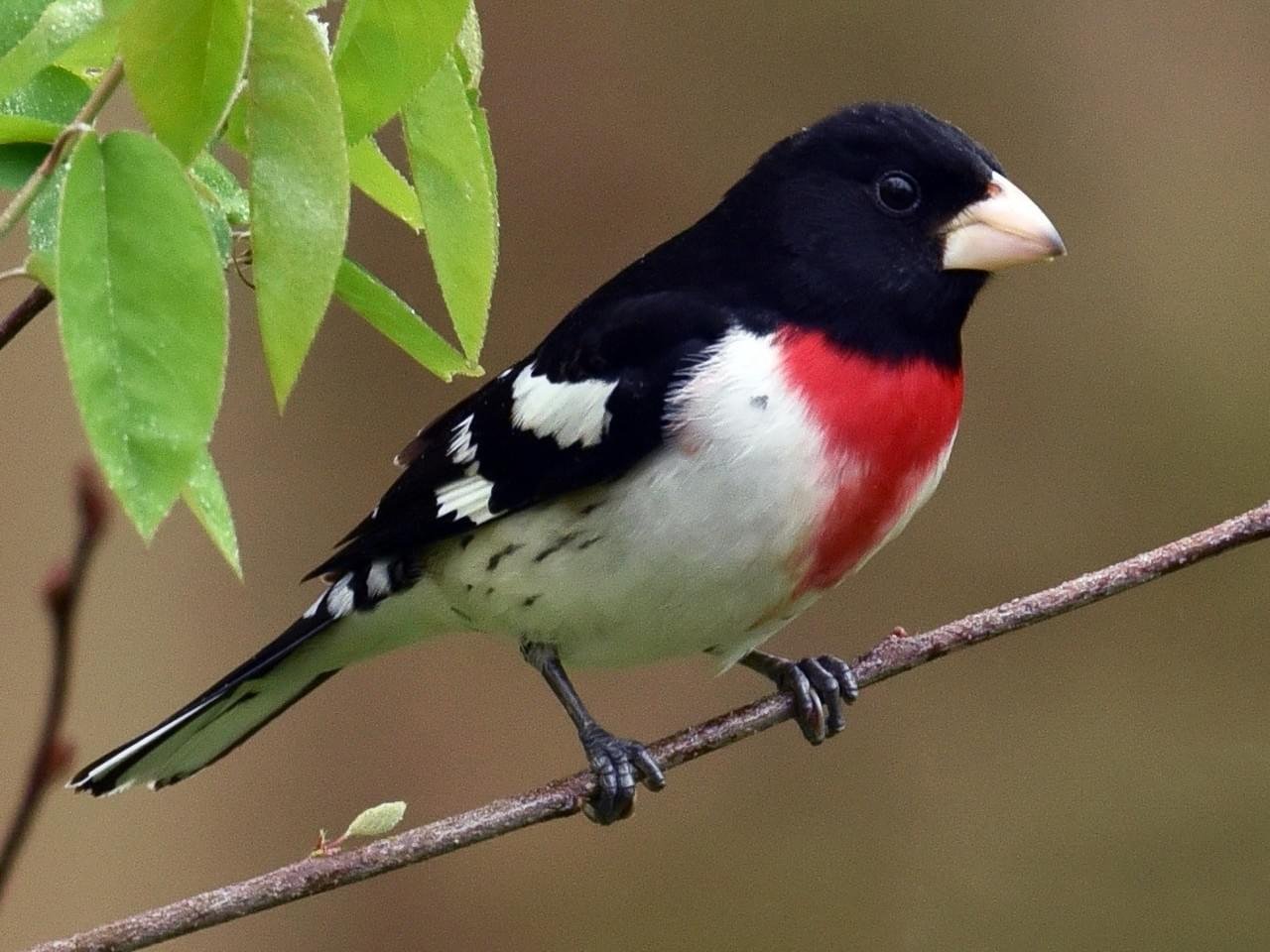
Fortunately for us, RBGs are extremely easy to attract to feeders during their migration and don’t require anything special. Offerings of sunflower, safflower, peanuts, and even suet are likely to yield good results. The song of the male Grosbeaks has been described as sounding like “a robin with operatic training.” While it is possible to hear it here, most likely it will be more common to hear further to the north, east, or west in their breeding range.

Another possible feeder visitor is the Indigo bunting. These beautiful goldfinch sized birds are a summer resident in middle Tennessee and can often be found perched in trees on the edges of meadows or fields, singing to establish their territory. Gossett Tract in Pegram and the greenway trail in Edwin Warner are good places to spot Indigo buntings in the spring and early summer. We have seen these on feeders before, however they are more likely to be spotted feeding on the ground below the feeders.

Last but certainly not least, we will begin hearing the first reported sightings of hummingbirds as they begin to pass through in early April. By mid-April, sightings of hummingbirds will be more common. Don’t be discouraged if you don’t see any hummingbirds early on, as activity at feeders doesn’t really pick up until mid-July. As we tell folks, they didn’t travel all this way for sugar water! The reason these tiny travelers leave their winter homes in Central America is to reach their breeding grounds in eastern North America. After their breeding season concludes and they begin to fatten up for their migration back south, that’s when activity at the feeders will begin to pick up. That is why we see such a sharp uptick in feeder activity in late July, August, and into September.
Springtime Gifts

With flowers in bloom, the first leaves turning green, birds singing and Easter right around the corner, we have a number of gift ideas sure to please the garden lover in your life!

Lavender Sachets

We love these delightful smelling gifts! Not only do these lavender sachets make the front of our store (or wherever else we have them displayed!) smell like a Provencal summer’s afternoon, they can also freshen up drawers, closets, cars or cupboards. I always add one to my travel luggage so that my clothes have a clean, relaxing scent when I arrive at my destination.

$8

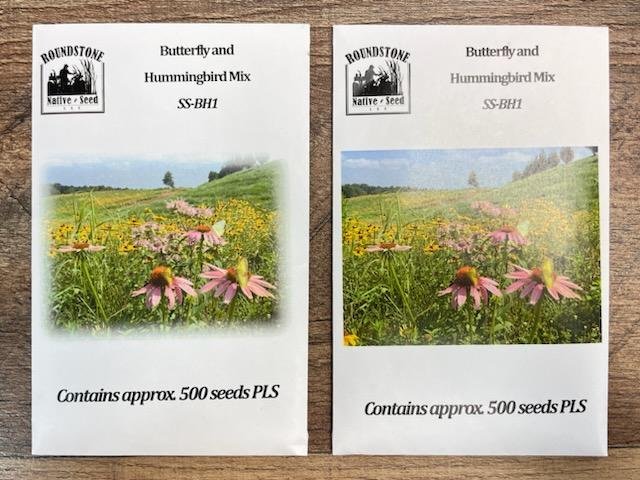
Butterfly and Hummingbird seed mix

Produced by Roundstone Native Seed out of Upton, Kentucky, this blend of native wildflowers has been in our store for a number of years now. Specifically formulated for our part of the southeastern region, this blend contains Common milkweed, Butterfly milkweed, Black-eyed Susan, and Purple coneflower to name a few. Each packet contains approximately 500 seeds that will not only add a splash of color to your yard, but also help to attract butterflies, hummingbirds, and even potentially goldfinch.

$10

Wildflowers of Tennessee, the Ohio Valley, and the Southern Appalachians

If you’re like me, part of the fun of the spring and summer wildflower bloom is identifying and learning more about the plants themselves. This second edition of Wildflowers of Tennessee describes over 1,250 species in 90 families. To make this a little more manageable, everything is color coded and organized by flower family and there is a color key to help expedite the process. This has been our favorite guide to wildflowers and we’re sure it will be yours as well.

$28.95

Small and Large Solar Shadow Lanterns

Since discovering these last fall, they have quickly become one of our favorite solar products. Available in hummingbird and dragonfly patterns, they cast the pattern of each lantern in green and blue, respectively.

Small, $24    Large, $45

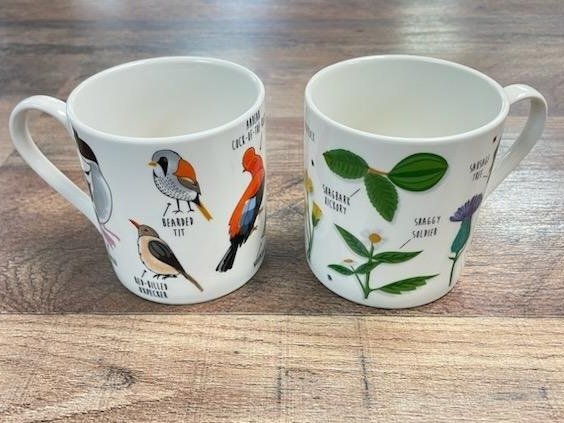
Comical Bird and Plant Mugs

Sometimes it seems as if the people who discovered certain species had a sense of humor and wanted to embarrass their colleagues by giving the species ridiculous names they would be ashamed to say aloud. These bird and plant themed mugs highlight the best names of both Aves and Plantae! Sticky Willy, Shaggy Soldier, Sausage Tree, Blue-footed booby, Southern screamer and Andean Cock-of-the-Rock are just a few of the comical animal and plant names that you can start your day with, with the Comical Mugs!

$14.99

Early Spring Hummingbirds

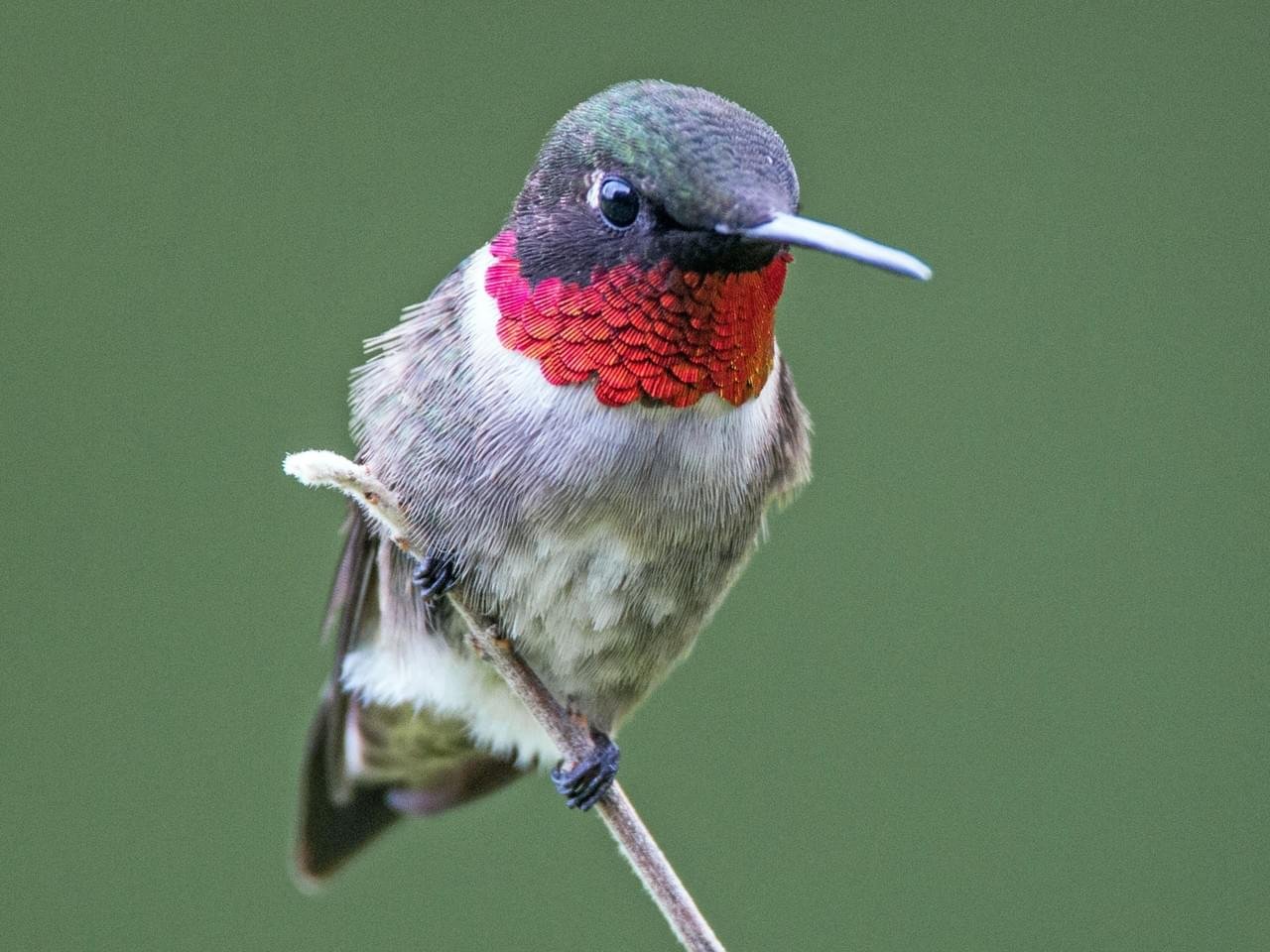
Every year at this time we regularly answer the question “when will the hummingbirds arrive?” and “when should I put out a feeder?”   The first reported sightings of Ruby-throated hummingbirds (RTH) in middle TN are just a few weeks away.  There are usually a few local sightings by the last week of March while the vast majority of RTH’s begin arriving or passing through between early April and mid-May.  Male hummingbirds tend to arrive ahead of females.   At my home in Cheatam Co. nearly 30 years of taking note of my first RTH sighting is between April 4th and 10th, and always an adult male. 

Some of these early arrivals may rest and feed for a day or two before continuing on their journey to their final destination, which may be as far as Canada.  Those that stay in mid-TN will then begin establishing territory, courting and nesting.  Their interest in feeders is minimal at this time.  Why?  Unless a hard freeze kills blooms and no flowers are available nature provides hummingbirds with everything they could possibly need, which is nectar from plants, and insects for protein.  The first hummingbirds to arrive at my home in Cheatham County usually spend more time at the Columbine blooms than at the feeder.  Early blooming perennials and native plants are a very important nectar source for hummingbirds.  People living in rural areas tend to see hummingbirds earlier and more often than people in more urban areas.  Why? The simple answer is rural areas provide better and more nesting habitat for hummingbirds.

Activiy from the peak part of the season in August.

Temper your expectations.  Do not expect to see a lot of activity early on.  We suggest putting out 1 or 2 feeders with small amounts of nectar the 1st week of April.  There is no need to put out a lot of feeders nor should you fill feeders to capacity.  There just isn’t that much feeding activity early on.  With the cool nights your nectar can last a little longer than in summer but do pay attention to the quality.  You should still change the nectar once or twice a week depending on temperatures.  Keep it fresh and the feeder clean.  This is very important to the health of the hummingbirds.   You must remember Ruby-throated hummingbirds do not need sugar water but only take advantage of it.  If the nectar is not in good condition they will find other sources.   

Hummers will come to feeders more frequently when they are ready and that typically occurs near the end of their breeding season.  Usually, late June to mid-July is when we see an increase in activity at feeders.  Most of the offspring from possibly 2 broods has fledged by then and as August arrives feeding activity will be at its busiest as adults and youngsters visit feeders and pack on weight and energy rich fat in preparation for the migration back.

It is certainly possible you may see a bird or two take advantage of the feeder before moving on to its final destination.   It is not true that if you don’t put out a feeder now you will miss them later in the summer.  Some people wait till July to put a feeder up, and have success.

The Best Solution for Hummingbird Nectar

The best nectar you can offer hummingbirds is a simple 1 part sugar to 4 parts water solution.  It is not necessary for the water to be brought to a boil before adding sugar unless you are making larger quantities for storage in the fridge.  The nectar is ready after the sugar has been stirred in and fully dissolved.  Do not add color in the form of food dye. Color is absolutely unnecessary and potentially harmful.  Also, DO NOT use natural raw sugar or honey.  Regular white table sugar is best.

Next week …The Grosbeaks are coming!

And Lights Out Nashville!

Wood Thrush Notes

Earliest Bluebird Nest with Eggs

Wood Thrush Shop team member, Jan, reported 5 Bluebird eggs in a nestbox at her home on Friday of this week.  Wow, that’s early!  This means the first egg was laid on the 4th of March and actual nest building was likely occurring in February, although Bluebirds have been known to sometimes build a nest in a day or two.  This is an eager pair of Bluebirds.  Jan had an early nesting last year, too. For most of us seeing Bluebirds nesting is still probably a couple of weeks away, if not longer.  Many Springs I haven’t seen a 1st Bluebird nesting in my yard until well into April.  Remember, they all do not start at the same time so there is no need to be concerned that you have done something wrong because you haven’t seen evidence of nesting yet.  And, there’s a lot of time still to present a new Bluebird box and have success this spring and summer.

Should I Offer Mealworms to Bluebirds?

Offering mealworms is not necessary to attract Bluebirds.  Offering a couple of nestboxes and birdbaths in good locations is the most important factor.  Insects, the primary food source of Bluebirds, are everywhere they travel, Bluebird boxes are not.  My advice is to start with the nestbox first.  At such time Bluebirds discover the nestbox and begin nest building, or even egg laying, and if you are interested in feeding this is a good time to start.  I think the following tips are the best way to begin feeding Bluebirds:

  • I would not recommend presenting mealworms before Bluebirds have begun nesting.  You may just end up feeding other birds, which is ok, however, if you are presenting the worms near the nestbox birds like Robins, Mockingbirds, Jays, and Cardinals may become very territorial and aggressive about the free and easy food source.  These birds may swoop in and drive the Bluebirds from the nestbox. 

  • Let’s say Bluebirds have built a nest and eggs are present.  How do you know?  Refer to our website and the Bluebird section about monitoring.  It is best to start by offering small amounts of worms, a dozen or so, and make sure the Bluebirds are near to see you place the worms in the feeder. My favorite feeder is a ceramic dish on a stand just 18” off the ground.  As feeders go simple is best, dishes and platforms.  If you feed Bluebirds the way we recommend you will not have to contend with larger birds becoming an issue and then need a specialized Bluebird feeder.  Now walk away and watch.  If the Bluebirds immediately pounce on and eat the worms offer another small helping to reinforce the process.  If they fly away remove the worms so other birds do not find them and try again later.  The goal is to establish you as the “keeper of the worms”.  Three or four successful feeding sessions and they will begin associating you with the treat.  Some people like to make a noise each time they offer worms so eventually Bluebirds will key in on the sound, like the Pavlov’s dogs experiment. I prefer silence because other birds are smart enough to key on the noise, too.

  • Live mealworms are always more appealing than dried, no contest, especially in spring and summer months. In warm weather live insects are readily available so dried mealworms tend to be less appealing. 

Follow these tips and you will have a good Bluebird feeding experience.  And do not feel as if you must feed them several times a day, or be concerned if you go on vacation and they won’t get worms for a week.  Bluebirds know what they are doing and will not become dependent on the worms but only take advantage of them. 

Next Week.  When Should I Put out a Hummingbird Feeder?

When and when not to help a baby bird

Each year as we enter the nesting season, we receive numerous phone calls from concerned customers who have found young birds and are unsure of what do next. Often, these young birds may not need help at all. Many fledglings spend time on the ground after leaving the nest, learning to fly and find food. This can sometimes be mistaken for a bird that has fallen out the nest early or a sick or injured bird.

As fans of birds we are always eager to help if we think a bird is seemingly in need, but the best thing to do if you find a bird you suspect may need help is to just observe the bird. Is it a fledgling that is mostly feathered? Or, is it a nestling that has very few feathers and may not have its eyes open yet? Unless a fledgling is showing signs of injury or is in immediate danger of predation the bird should be left alone. They are doing exactly what they need to be doing. If you find a nestling, there are a few different steps you can take before deciding to take it out of its environment and to a rehabilitator. Those steps and much more information can be found in this article on Audubon.org “When you should and should not rescue baby birds”

Our friends at Harmony Wildlife Rehabilitation also have a great website with lots of information on how to help wildlife. While researching this blog post I learned about young rabbits on their page on how to help baby rabbits.