
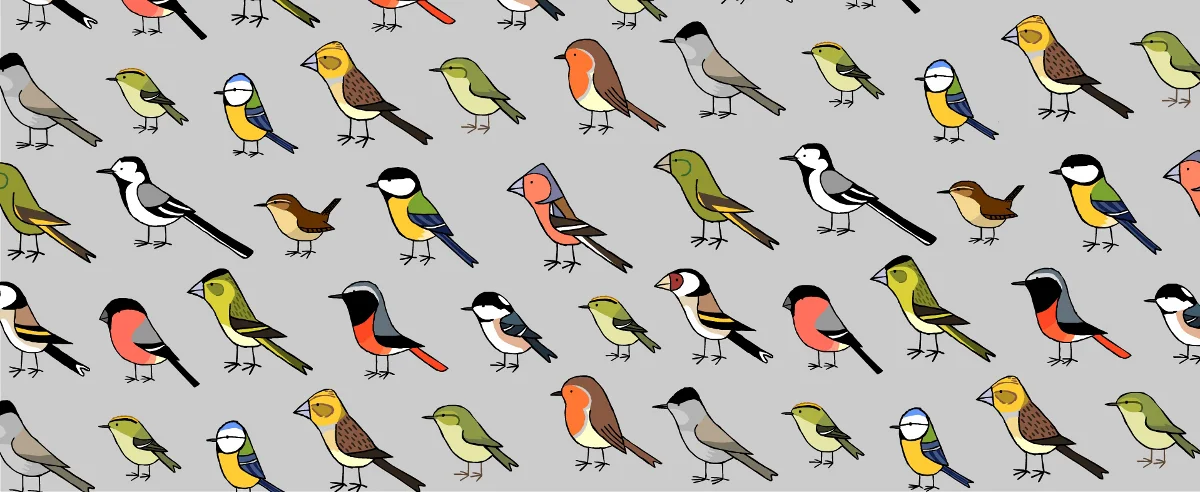


Somehow, it is already that time of year again. August brings with it roosting colonies of Purple martins to downtown Nashville numbering in the hundreds of thousands. Each year, these remarkable birds amass in and around downtown for several weeks before pushing south through Central and into South America where they will spend their winter. According to Warner Park B.I.R.D. program, this year’s roost has reached its peak size of an estimated 200,000 birds! So far this year, the best places to see the spectacle are the trees around Nissan Stadium, as well as at 3rd Ave. and Church St. Numbers may continue to increase through early August with birds remaining through September. For additional information, check out this article by the Nature Conservancy!
Wood Thrush Shop Notes
Wood Thrush Notes July 26, 2024
Warner Parks Announces Hummingbird Celebration and Hummingbird Happy Hour dates
Saturday Sept. 7 Warner Parks Nature Center will hold its annual Hummingbird Celebration from 9 am until 2 pm. There will be activities for all ages highlighted by up close looks at hummingbirds as the skilled staff catches and bands hummingbirds. See these fascinating little birds up close and learn how it is determined if they are adult males or females, or juvenile birds just off the nest. The Wood Thrush Shop participates with a booth selling our favorite hummingbird feeders and accessories. The event is open to the public no registration required.
Hummingbird Happy Hour is Thursday September 5, 2024 from

5:30 pm - 7:30 pm. Tickets are $75. All proceeds benefit Friends of Warner Parks and the Warner Parks BIRD Program. Tickets can be purchased at https://warnerparks.org/event/hummingbird-happy-hour/
The event features live music, cocktails and brews, lite bites, and the presence of hummingbirds visiting the many feeders situated around the event grounds. The Wood Thrush Shop is proud to be a sponsor of this event.
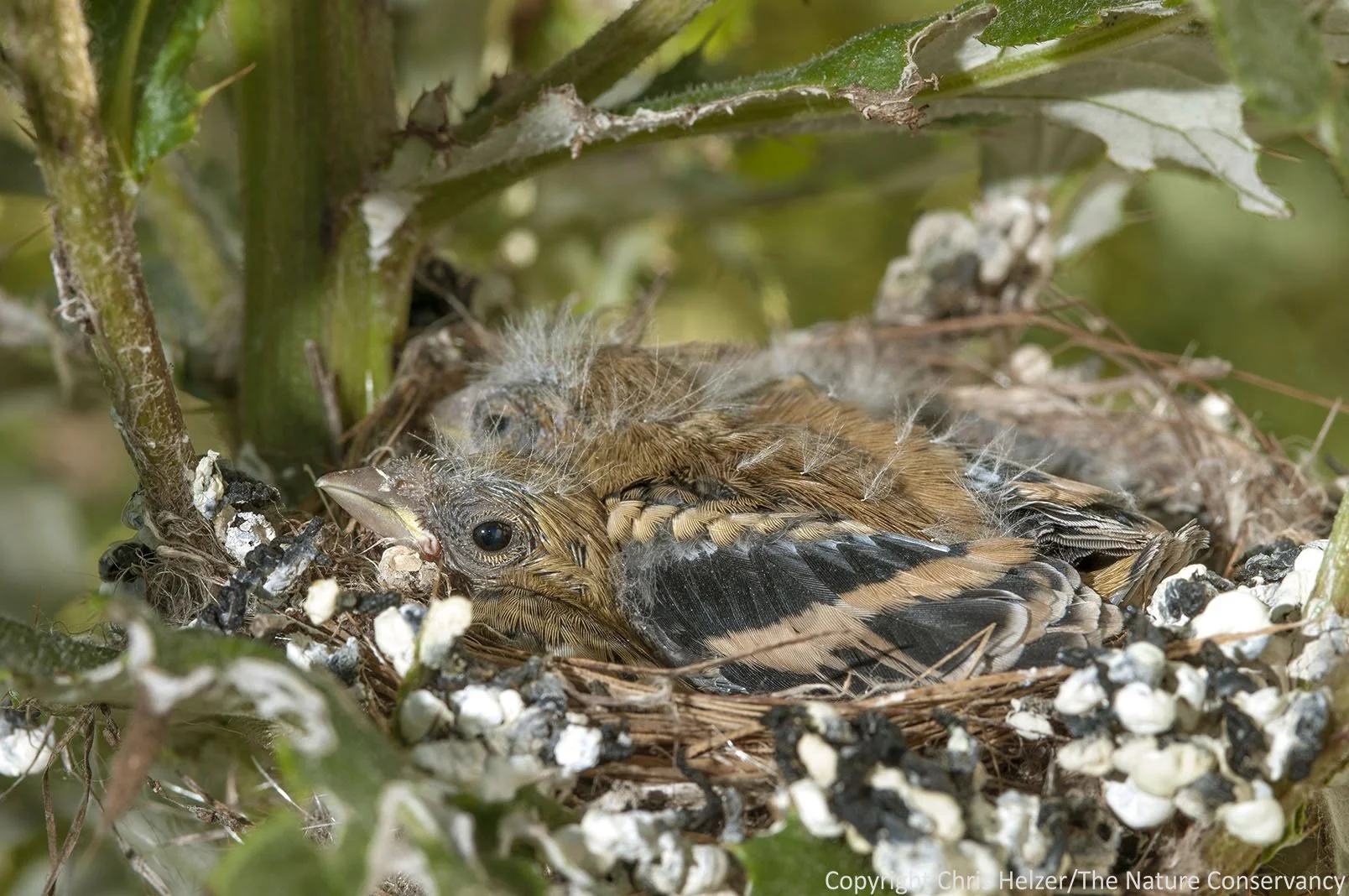
Goldfinches on Nest
Many of you have reported seeing more Goldfinches at feeders this year. That’s great! I think part of that success is due to many of you making the switch from plain Nyjer seed to the fine sunflower chips and the finch blend. However, you may have noticed a decline in numbers and frequency in recent weeks because July is typically when Goldfinches begin nesting. Why do Goldfinches wait until now when most songbirds are concluding nesting duties? Goldfinches are almost exclusively seed eaters and it is crucial they wait until now when natural seeds are becoming available in fields, meadows, and other open habitat where they tend to nest. These natural resources are needed to raise their young.
A Goldfinches nest is built by the female, usually in a shrub or sapling in a fairly open setting rather than in forest interior. The nest is an open cup of rootlets and plant fibers lined with plant down, often woven so tightly that it can hold water. The nest is attached to tree limb with spider silk.


Clutch size varies from 2 to 7 eggs and incubation is 12 to 14 days, while the fledgling period is 11 to 17 days. Goldfinches will have up to two broods. You will likely see Goldfinches return in better numbers in August but don’t be surprised if they feed more at the flowers in your yard, like Black-eyed Susan, Coneflower, Zinnia, and Sunflowers rather than your feeders.

Bird Bio: Turkey and Black Vulture
Wood Thrush Notes July 19, 2024
Bird Bio: Turkey and Black vulture
Many of us have at some point looked to the sky with envy as we watched vultures circling effortlessly in lazy circles on the warm thermals of spring and summer. Long misunderstood and thought of as “bad omens” or worse, “carriers of disease”, vultures are actually quite the opposite. Beneficial to the environment and with a fascinating life history, it’s time we shed a little positive light on these misunderstood birds.
The Turkey vulture, (Cathartes aura) is the larger of the two species of vultures we have. With its brown wings and bald, wrinkly red head, the Turkey vulture is unlikely to win any beauty contests. However, what it lacks in looks it makes up for in its extremely keen sense of smell. Being able to detect odor particles in quantities as small as a few particles per trillion, these birds often fly relatively low in search of carrion. (Dead animals) Turkey vultures will often nest in caves, rock ledges or crevices, empty animal burrows, hollow logs, abandoned hawk or heron nests, or old barns. When they have found a suitable location, they may clear the area of debris, but do not actually build a nest. Most broods consist of 1-3 creamy white eggs, sometimes with streaks of gray, blue, or green. Once the eggs are laid, incubation lasts anywhere from 28-40 days. Once the chicks hatch, they are blind and helpless. The nestling phase then lasts 60-84 days. With a summer range as far north as Canada, and year round populations as far south as Argentina, these widespread scavengers can be seen throughout the Americas.


The Black vulture (Coragyps atratus) is slightly smaller and less widespread throughout North America. Despite being outnumbered in North America, their extensive population throughout South America makes the Black vulture the most common vulture species in the New World. They too are scavengers; however they do not have a developed sense of smell and instead locate carrion by sight. Black vultures can often be spotted patrolling the skies at seemingly impossible heights, flying high on thermal updrafts as they search for food. They are known to watch and follow Turkey vultures to carrion, where using numbers to offset their smaller size, will out compete the larger but solitary Turkey vulture. Black vultures will seek out similar nesting sites as Turkey vultures, looking for any kind of natural caves or large cavities. Once located, they too will lay 1-3 pale green to bluish eggs directly on the ground. Incubation lasts 38-39 days with a 70-98 day long nestling period. Black vultures have relatively advanced social hierarchies, with monogamous pairs that stay together year round. They continue to stay in familial groups, feeding young for upwards of 8 months. Even after this, they maintain strong social bonds with their families throughout their lives.


Both species of vulture have the toughest stomachs in the animal kingdom. With stomach acid 100 times more concentrated than our own, and even more acidic than the acid in your car’s battery, they are able to consume meat that is tainted with rabies, tuberculosis, or even anthrax. This level of acidity is able to destroy viruses and bacteria, so rather than being disease vectors, they are in fact nature’s disinfectors!
Wood Thrush Shop notes
An immature Sooty tern (Onychoprion fuscatus) was spotted at Pickwick Lake in southwestern Tennessee. Normally found in the warm waters of the Gulf of Mexico and Caribbean, with juvenile birds venturing as far east as the western coast of Africa, this rare visitor caused quite the stir after its unexpected visit to Hardin County, TN. These crow sized members of the Tern family generally spend their lives far out at sea, following ocean currents in search of prey.
In other news, mealworm shipments have been halted due to the high temperatures until next week, so it is advisable to call ahead before making the trip out for worms.
Water is a very appealing offering to birds during the hot and dry weather. While moving water is popular, it is not a necessity. Bird baths, clay dishes, and even ant moats filled with water all prove to be popular offerings to thirsty birds. We are currently well stocked on fountains, traditional bird baths, hanging bird baths, and many other accessories for providing a source of backyard water to our avian friends.
Wood Thrush Notes
Hummingbird Activity to Increase Soon
In the next couple of weeks we should all begin to see more hummingbird activity at our feeders. I’ve seen considerably more just in the past few days. Hummingbird feeders will be significantly more important to our Ruby-throated hummingbirds in the coming weeks and months as they conclude nesting and begin feeding heavily in preparation for fall migration. Most of us do not see a lot of hummingbird activity until mid-July as females are fully involved with nesting responsibilities and the males are guarding their territory and food sources. Hummer feeders are just not that important to them during this time as nectar from flowers and the insects they consume are readily available. People often mistakenly think hummingbirds NEED our feeders. They don’t, but will take advantage of them when the time is right and the feeder and nectar are in good condition. Making sure your feeders are clean and nectar is fresh is always important but especially now when temperatures are high and as birds begin to use them more.
Ruby-throated Hummingbirds (RTH), like many migrant birds, go through hyperphagia prior to migration, meaning they eat almost continuously. They ramp up their consumption of nectar from plants and sugar water from feeders while consuming large quantities of tiny insects that are full of fats and proteins. The sugar is used up almost instantly during daily activities but the protein from insects helps strengthen their flight muscles. All the energy-rich yellow fat accumulates in little storage pockets which are visible when the feathers are gently pushed aside, like when a licensed bander has one in hand.
Male Ruby-throated Hummingbird
Female Ruby-throated Hummingbird
Hummingbird fat pockets
An adult male RTH will weigh approximately 3 grams during summer but put on as much as 2.5 grams of weight by the time it is ready to head south. They will nearly double their weight during hyperphagia.
So, if you haven’t been paying attention to your feeders because of lack of activity make sure your feeders are clean and you have fresh nectar. August and September are THE busiest hummingbird feeding months here in Middle TN so be prepared.
The proper nectar formula is 4 parts water to 1 part sugar. Do not use brown, or raw sugar, and never use honey. Regular white table sugar is best. If you are making a small amount, like a cup, boiling the water is unnecessary. Thoroughly stir the sugar until it is completely dissolved and the water is clear. To make larger quantities it makes sense to heat the water enough to completely dissolve the sugar.